



Sustainability in the coffee industry
The coffee industry is known worldwide for its complexity and huge impact on both the economy and the environment. For many, coffee is an indispensable part of the daily routine, but the road from bean to cup comes with numerous challenges. In today's increasingly sustainable times, we all want to do it as well as possible. But opting for filter coffee and a sustainable coffee maker like Moccamaster won't get you there yet. We take you through the importance of fair trade coffee and eco-friendly growing methods and help you make the best choice.
The importance of Fair Trade coffee
Fair trade coffee is an essential part of sustainable production. Fair trade certification ensures that coffee farmers get a fair price for their produce, which enables them to invest in their land, community and their own well-being. The system works by eliminating middlemen and ensures that profits go to farmers rather than large corporations. This not only gives farmers fair compensation, but also protects them from market price fluctuations.
But it is not just about economic benefits. Fair trade also focuses on social aspects, such as improving working conditions and combating child labour. By buying fair trade coffee, you contribute to a system that puts ethics first and ensures that coffee production is not at the expense of the rights and welfare of the people who grow it.
Environmentally friendly cultivation methods
Besides the social aspect, the environment plays a crucial role in coffee production. Traditional methods of coffee cultivation can be harmful to the environment, with negative impacts such as deforestation, soil depletion and the use of harmful pesticides and fertilisers. To reduce these impacts, eco-friendly cultivation methods that are more sustainable and less harmful to the ecosystem have been developed.
One of the main methods is shade coffee, where coffee bushes are grown under the shade of native trees. This preserves biodiversity, prevents soil erosion and helps conserve water resources. It also contributes to the health of coffee plants, resulting in better quality beans.
In addition, organic cultivation methods promote the use of natural fertilisers and pest control, without chemicals. This not only protects the soil, but also the health of farmers and consumers. Organic coffee is often grown with respect for the earth's natural cycles, leading to a more sustainable farming system.
The road to a sustainable future
As consumers, we have the power to drive change by making conscious choices. By choosing fair trade and organically grown coffee, we not only support farmers and the environment, but also contribute to a sustainable future for the coffee industry. It is an investment in a system that promotes justice, ethics and environmental protection.
Moreover, it is important for companies in the coffee industry, such as Moccamaster, to integrate sustainability into their production processes and product designs. By using sustainable materials, energy-efficient production processes and extending the lifespan of their products, they can make a significant impact.
In short, the coffee we drink every day has the power to make a positive change, provided we make the right choices. Let's work together for a future where coffee production is fair and environmentally friendly, for both people and the planet.
An even more sustainable choice
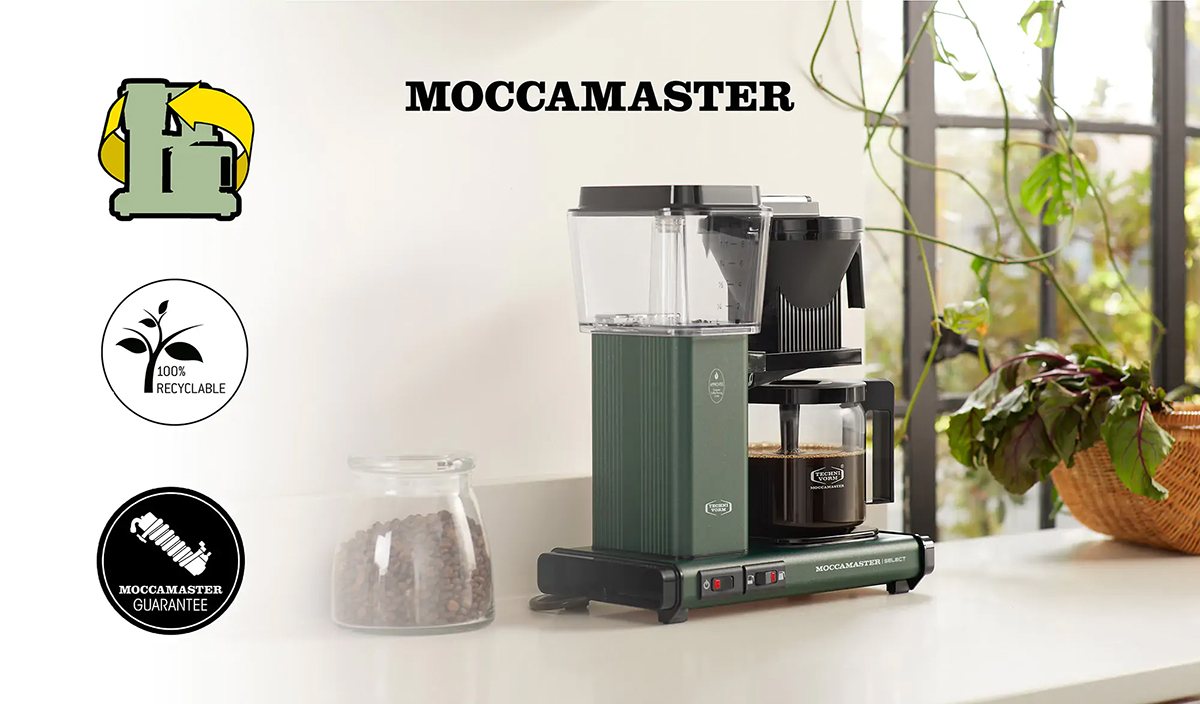
Did you know that we offer refurbished products to extend the life of our factory products, thereby reducing our carbon footprint per filter coffee maker? Offering refurbished appliances is an effective way to both help the environment and provide customers with reliable, high-quality coffee makers at a lower price. Interested? Then check out the refurbished selection here.