


The history of coffee
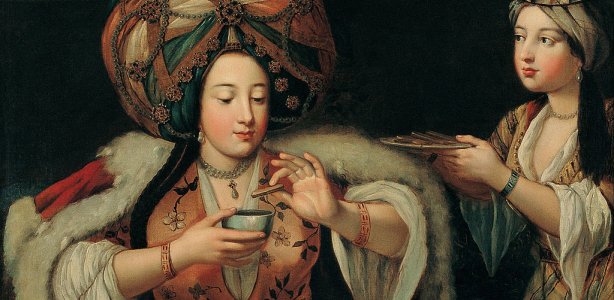
Coffee is an essential part of our daily lives today, providing millions of people worldwide with their daily dose of energy and comfort. The journey of coffee, from a mysterious berry to a global beverage full of rituals and traditions, is fascinating. Let's explore this rich history.
The Origins of Coffee
The origins of coffee are shrouded in legends and folklore. According to a well-known Ethiopian legend, coffee was discovered by a goat herder named Kaldi in the 9th century. Kaldi noticed that his goats became energetic and lively after eating the berries from a particular shrub. Curious, he tried the berries himself and felt the same energy. Kaldi shared his discovery with a local monk, who used the berries to make a stimulating drink that helped him stay awake during long prayer sessions.

Coffee Spreads to the Middle East and Europe
From Ethiopia, coffee spread to the Arab world, where it quickly became a part of daily life. By the 15th century, coffee was being cultivated in Yemen and was a popular drink in Persian, Egyptian, and Turkish societies. Coffeehouses, known as qahveh khaneh, appeared in the Middle East and soon became centres of social activity, much like cafes function today.
In the 17th century, coffee reached Europe and initially met with resistance, particularly from the Catholic Church, which considered the beverage the “bitter invention of Satan.” However, Pope Clement VIII approved it after trying it, and coffeehouses began to spring up all over Europe. These coffeehouses became hotbeds for intellectual debate and cultural exchange, playing a crucial role in the Enlightenment.
Coffee in the New World
Coffee reached the New World in the 18th century, with plantations springing up in the Caribbean, Brazil, and Central and South America. Brazil quickly became the largest coffee producer in the world, a position it still holds today. Coffee became an important export product for many Latin American countries and played a key role in their economic development.
In the United States, coffee became particularly popular after the Boston Tea Party in 1773 when Americans boycotted tea in protest against British taxes. Since then, coffee has become a symbol of American independence and ingenuity.
Coffee Many Years Later
In the late 20th century, we witnessed the rise of specialty coffee, with a focus on quality, origin, and fair trade. Consumers began to pay attention to the origin of their coffee, the varieties of beans, and the methods of roasting and brewing. This movement led to the emergence of artisan coffeehouses and micro-roasteries striving for perfection in every cup.
The History of Moccamaster
In this landscape of innovation and tradition, Moccamaster played a unique role in the field of coffee brewing. Since Technivorm's founding in 1964 by Gerard C. Smit in Amerongen, the Netherlands, Technivorm has positioned itself as a brand that embraces both craftsmanship and quality. Moccamaster coffee machines, with their iconic design and dedication to perfection, have been a beacon of quality in the coffee industry for over 60 years.
Would you like to read more about Technivorm's journey and how the development from step ladders to coffee machines unfolded? Check out the complete timeline on the "Technivorm 60 years" page.

A Timeless Traveler
The journey of coffee, from the ancient Ethiopian highlands to the modern kitchen, is a testament to the enduring appeal of this simple beverage. While innovations and trends come and go, the essence of coffee remains the same: a source of comfort, inspiration, and connection. Moccamaster embodies this essence through our machines, which are handmade in the Netherlands to provide people worldwide with the perfect cup of coffee every day, bridging tradition and technology. Moccamaster continues to pioneer in the world of coffee, proving that quality and craftsmanship are timeless.
Want to read more about coffee traditions per country? Check out this blog where we dive extensively into coffee and culture.
* Image source 1: Pera Museum [Public domain], via Wikimedia Commons
* Image source 2: Zwarte Roes